







Case study
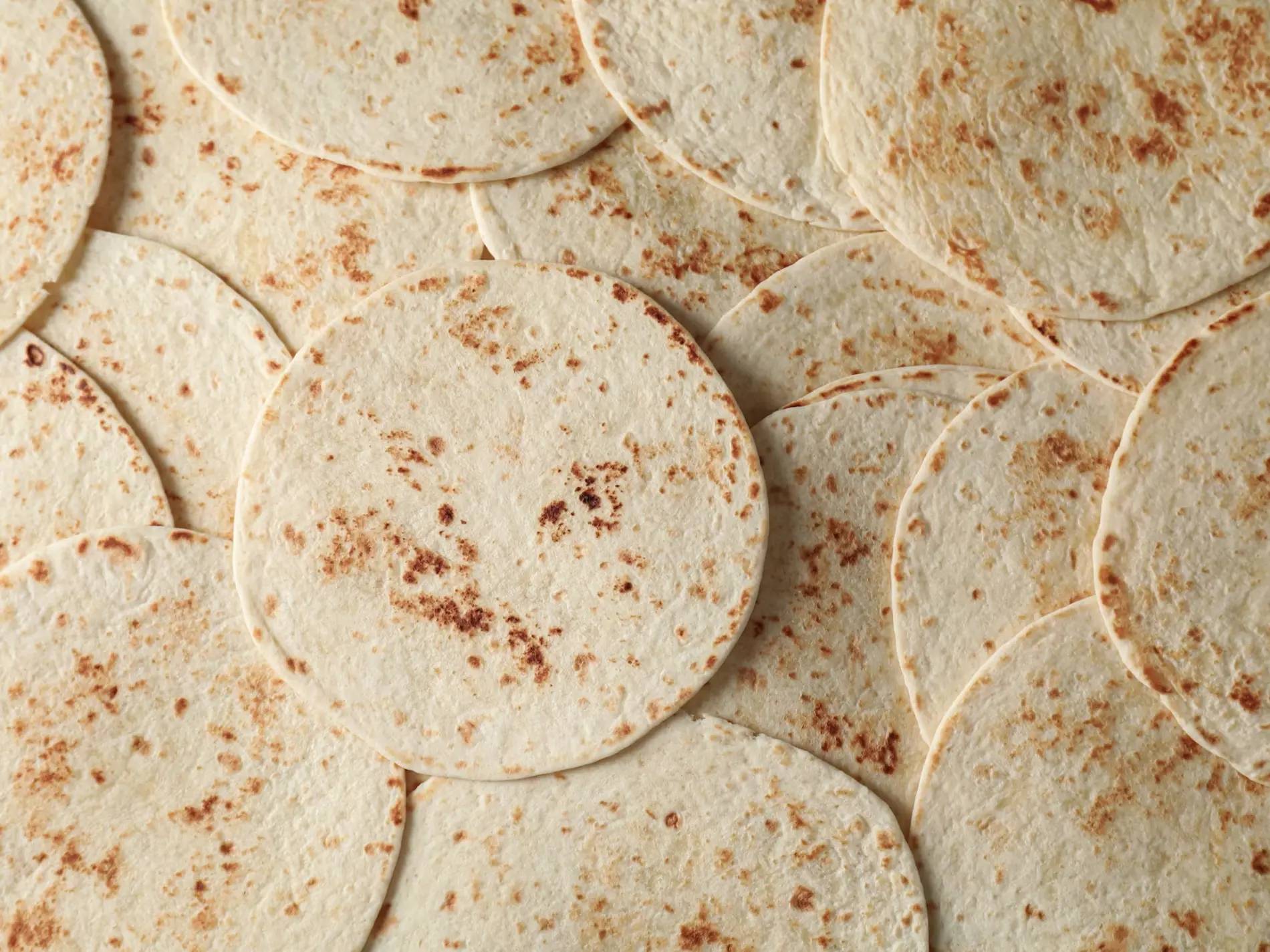
When timing makes the difference
Producing consistent tortillas at industrial scale requires precise control of dough properties throughout the process. Conventional acidifiers can react with carbonates as soon as moisture is introduced, causing premature CO₂ release and an early drop in pH. This can affect dough elasticity, processing performance and ultimately the consistency of the finished tortillas.
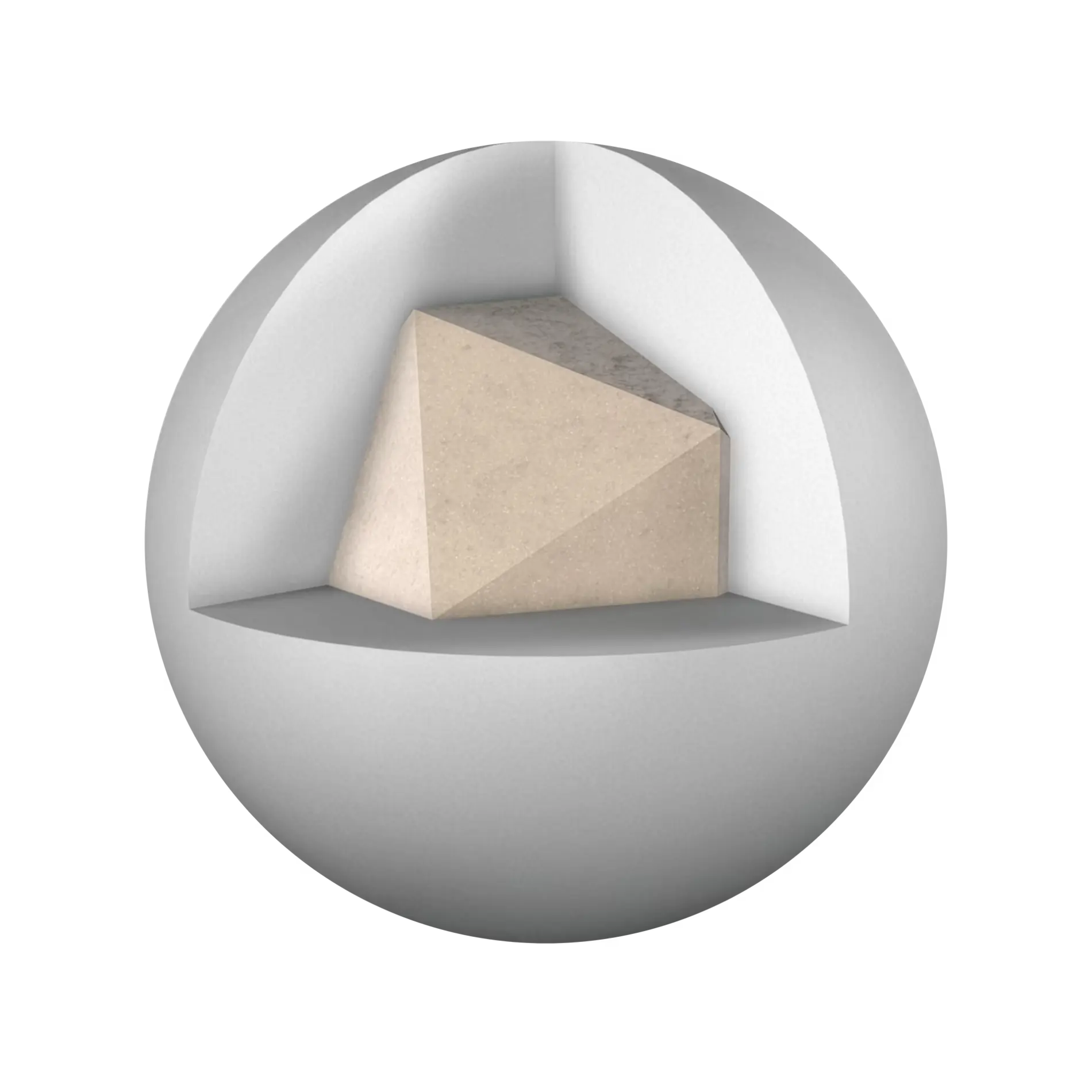
RAPS uses microencapsulation technology to control the release of the acidifier, protecting it during critical early processing stages and enabling its targeted release when its functionality is required.
The challenge
When acid and carbonates react too early.
Acidifiers play an important role in tortilla production, but their timing of action is critical. Uncoated acidifiers can dissolve and react with carbonates during mixing, causing premature CO₂ generation and an early drop in pH. This can affect dough properties, processing performance and the consistency of the finished product.
The challenge was to control when the acidifier becomes active, ensuring reliable functionality at the right stage of the production process.
Negative effects to avoid:
- Tough, less elastic dough
- Reduced processability
- Difficulties during hot pressing or die cutting
- Inconsistent shape and diameter
- Higher translucency
- Variability in final product quality
Mixing
Coated acid remains protected. Softer, more elastic dough.
Resting and proofing
Premature acidification and CO2 formation are limited. Improved dough handling and process stability.
Hot pressing and baking
Acid is released and reacts with carbonates. Optimal dough rise and controlled pH development at the required process stage.
Final product
Functionality is fully available. Consistent shape, appearance and product quality.
The result
More control from dough to finished tortilla.
Compared with an equivalent system using uncoated acid, controlled release can support:
- Improved dough properties
Better elasticity and softness during processing.
- Better processability
More reliable handling during industrial tortilla production.
- Controlled pH development
Acidification takes place at the appropriate stage rather than prematurely during mixing.
- More consistent shape
Improved performance during pressing supports a more uniform tortilla diameter.
- Reliable finished-product quality
Greater control over the process helps reduce variability from batch to batch.
Why microencapsulation?
This case demonstrates a fundamental advantage of microencapsulation: functionality can be designed around the production process. By selecting the appropriate core material, coating system and release profile, RAPS can protect sensitive ingredients from premature reactions and enable their functionality at the point where it creates the greatest value.
For bakery manufacturers, this opens up development opportunities across:
- Tortillas and flatbreads
- Bread and yeast-leavened products
- Cakes, muffins and other chemically leavened products
- Pizza and fresh dough systems
- Bakery premixes
- Surface decoration and finishing


Ready for what's next in food?
Subscribe to our newsletter for the latest ingredient innovations, product solutions, application concepts and industry insights from RAPS.
Let's develop your next product innovation together!
Looking for a new ingredient solution, exploring a product concept or facing a specific application challenge? Our experts combine ingredient knowledge, advanced technologies and application expertise to develop solutions tailored to your needs.
Let's discuss what we can create together.